
Judy Garland Net Worth: Hollywood Legacy & Financial Truth

Key Points: Decoding Judy Garland's Financial Narrative
- Judy Garland, despite immense talent and box office success, had a modest liquid net worth of approximately $40,000 at her death in 1969.
- Her early career at MGM involved restrictive contracts, limiting her earnings from major films like "The Wizard of Oz."
- Significant income came later from television (The Judy Garland Show) and a highly successful concert career, notably "Judy at Carnegie Hall."
- Financial turmoil stemmed from substantial tax liabilities, persistent legal disputes, alleged mismanagement by agents, and a demanding lifestyle.
- Posthumously, her children, Liza Minnelli, Lorna Luft, and Joey Luft, managed her estate and addressed remaining debts through various means, including memorabilia auctions.
- Garland's real estate holdings, while significant during her life, were often sold much later by subsequent owners, not directly contributing to her liquid assets at the time of her passing.
- Her enduring cultural impact and artistic legacy far overshadow her modest financial estate, highlighting a common paradox for classic Hollywood stars.
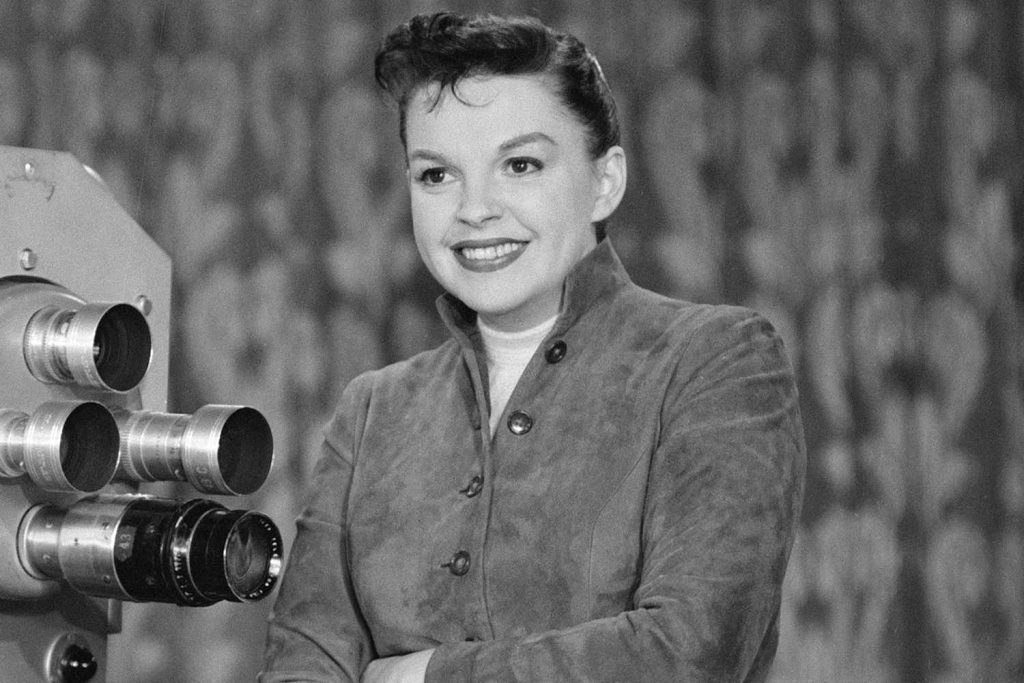
Few figures in Hollywood history evoke such a complex tapestry of awe, personal tragedy, and enduring admiration as Judy Garland. Universally cherished as Dorothy Gale from The Wizard of Oz, she epitomized the iconic performer of the 20th century. Yet, the stark reality of her financial situation at the time of her passing in 1969 often shocks her admirers: her reported liquid net worth stood at a remarkably modest $40,000. This disparity between colossal fame and limited personal fortune unravels a compelling narrative of dazzling artistry intertwined with significant financial turmoil.
Garland's journey is a poignant illustration of the challenges faced by many artists operating under the rigorous studio system of her era. Despite sharing the stage with legends like Frank Sinatra and the silver screen with Mickey Rooney, she struggled to achieve the financial stability commensurate with her prodigious talents. A confluence of restrictive studio contracts, profound personal struggles, and documented financial mismanagement ultimately left her estate in a surprisingly fragile condition. Even today, over five decades since her death, the question persists: how could an artist whose voice captivated millions and whose performances defined an era end her life with so little, especially when considering the immense wealth she generated for others?
Judy Garland's Financial Journey: A Hollywood Anomaly
The widely reported figure of Judy Garland's net worth at her death – approximately $40,000 in liquid assets – offers a snapshot into a career marked by both astronomical earnings and devastating losses. This figure, often cited in entertainment finance analyses and historical accounts, primarily reflects the assets remaining after the settlement of numerous debts and obligations in June 1969.
MGM Film Salaries: Early Constraints
Garland's career began early, signing with Metro-Goldwyn-Mayer (MGM) as a teenager. By 1939, she had secured her indelible role as Dorothy. Historical reports and journalistic retrospectives indicate her remuneration for The Wizard of Oz was a mere $500 per week, totaling around $9,600 for the entire production. This compensation was notably modest, particularly when contrasted with the salaries of some co-stars and significantly below the earnings of A-list actors like Clark Gable during that period. Publications such as The Los Angeles Times have corroborated this figure, highlighting the restrictive nature of early studio contracts.
Television Stardom: A Shift in Earnings
The advent of network television offered Garland a new avenue for earnings, bringing with it paychecks more aligned with her superstar status. Archival coverage, notably detailed by sources like Television Heaven, reveals Garland’s impressive $300,000 salary for 26 episodes of CBS’s The Judy Garland Show (1963–64). An additional $140,000 was allocated for key production hires, with contemporary press lauding the overall package as one of the most substantial talent deals ever attempted in television history. This period marked a significant, albeit short-lived, peak in her gross income.
Records and Touring: The Carnegie Hall Apex
Garland's live performances forged one of the most celebrated concert albums of all time: Judy at Carnegie Hall. Recorded on April 23, 1961, the album achieved unprecedented success, spending weeks at No. 1 on the album chart and earning her both Album of the Year and Best Female Vocal Performance at the 1962 GRAMMYs, making her the first woman to win the coveted Album of the Year award. While specific per-album royalty statements remain private, this recording represented the commercial and critical zenith of her recording career, generating substantial artist royalties and performance income throughout the early 1960s. The Grammys' official artist page, alongside resources from Britannica and Carnegie Hall's own archives, confirm the album's historic impact.
High-Profile Stage Engagements: Lucrative yet Perilous
Garland's top-tier status commanded premium fees for nightclub and theatre engagements throughout the 1950s and 60s, including well-publicized Las Vegas residencies. While exact nightly or weekly guarantees varied and are not entirely public, the pattern was clear: live performances offered handsome remuneration when her health permitted. Conversely, cancellations or disputes often led to severe financial penalties, creating a cycle of lucrative bookings interspersed with costly setbacks.
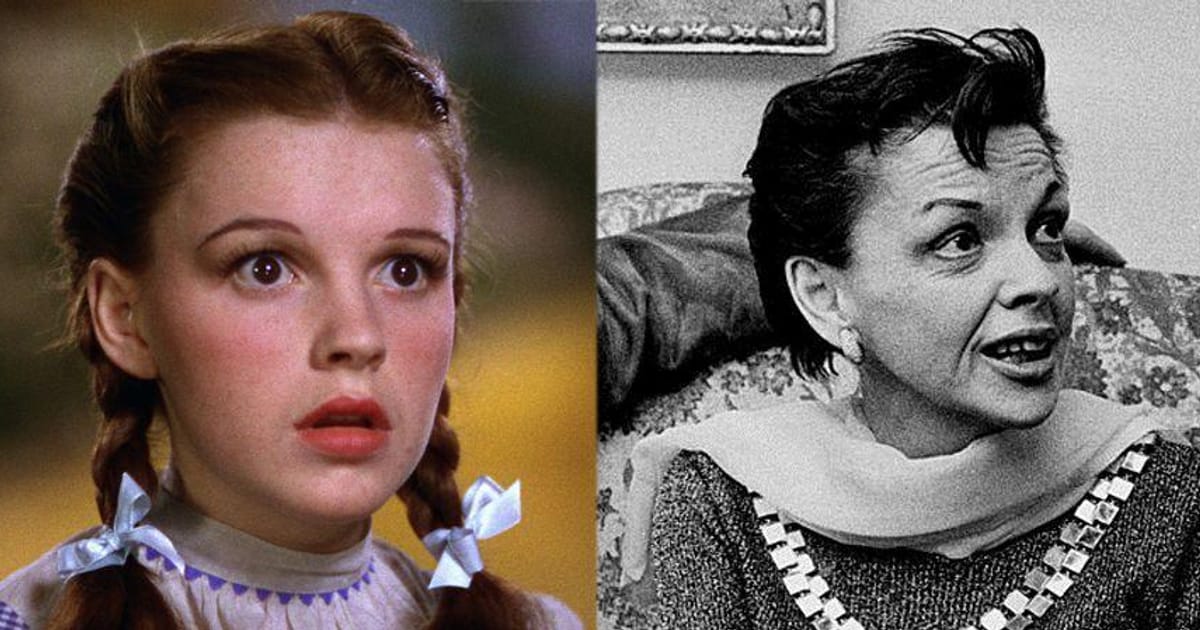
From Dorothy to legend: a comparison of Judy Garland’s iconic youth in The Wizard of Oz and her later years.
The Erosion of Wealth: Understanding the Challenges
Despite significant gross earnings throughout her career, a combination of factors systematically eroded Garland’s fortune, leading to her modest final estate.
Tax Liens and Government Actions
A consistent theme in Garland’s financial narrative was her recurring debt to the U.S. government. By the early 1960s, the IRS had imposed extensive liens on her property and income streams. A notable instance occurred in July 1967 when federal tax agents famously seized most of her earnings on the closing night of a highly successful engagement at New York’s Palace Theatre to cover substantial back taxes. This episode, widely documented in contemporary reports and biographies, underscores the direct and severe impact of IRS actions on her assets and live earnings, as chronologically summarized by sources like Wikipedia.
Legal Disputes and Alleged Mismanagement
Numerous biographies and archival summaries detail prolonged and often acrimonious disputes with managers and agents. Allegations of mismanagement, and in some cases, embezzlement, meant that Garland frequently found herself covering expenses far exceeding her personal spending. While specific lawsuit settlements are not all publicly accessible, the recurring pattern — high gross income consistently offset by substantial advances, commissions, exorbitant legal fees, and claw-backs — is a consistent thread across reputable historical accounts of her finances.
Lifestyle and Support Obligations
Unlike many of her contemporaries who strategically invested their early earnings into passive assets, Garland’s finances were frequently channeled to support her family, fund career comebacks, and service accumulating debts. Public auction records and subsequent family interviews reveal posthumous sales of personal items to generate cash, consistent with an estate that lacked substantial liquid reserves. While properties associated with Garland, such as her Hollywood Hills homes, later sold for millions (e.g., $4.675 million in 2020), these sales occurred decades after her death under different ownership, illustrating the long-term appreciation of real estate tied to her name rather than cash held by her at the time of her passing.
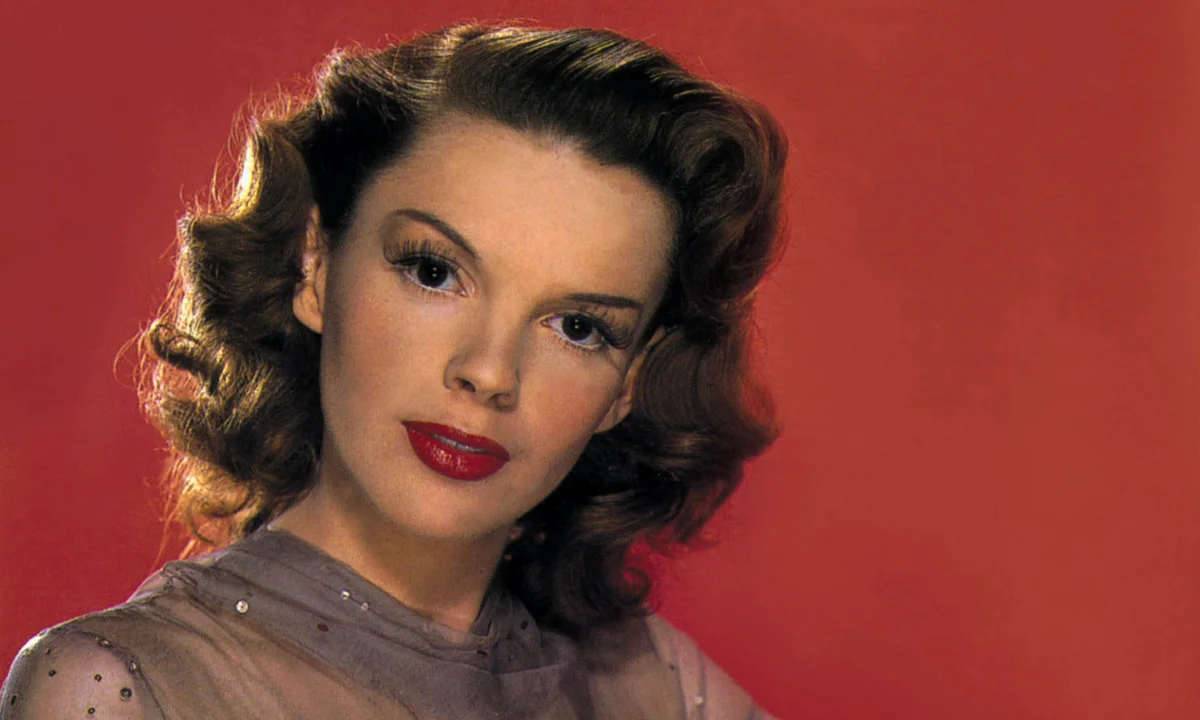
Judy Garland all glammed up, radiating classic Hollywood elegance against a striking red backdrop.
Her Final Financial Footprint and Enduring Legacy
Liquid Assets at Death
Modern accounts consistently report Garland’s liquid assets at approximately $40,000 after all obligations were settled. This estimate, derived from a combination of probate reporting and secondary compilations in entertainment finance, highlights the dramatic contrast between her earning potential and her final estate. Given that many probate files from that era are not digitally available, contemporary analyses often reference earlier biographies and comprehensive entertainment finance databases. For instance, The List cites this $40,000 figure, noting the significant IRS obligations paid from her estate, while also pointing out that her lifetime gross earnings would equate to tens of millions in today’s currency.
Posthumous Debts and Estate Management
Historical references confirm that after Garland's death, her daughter Liza Minnelli, with support from close friends like Frank Sinatra, played a pivotal role in coordinating the repayment of her mother’s outstanding debts. Furthermore, Sidney Luft, Garland’s third husband, organized a significant auction in 1978, selling approximately 500 personal items to generate funds for Garland’s heirs. These actions underscore the reality of an estate rich in sentimental and collectible value but notably lacking in liquid cash. Wikipedia's biography details these efforts, illustrating how family and friends collaboratively worked to settle tax and other obligations, with the 1978 auction providing crucial additional funds for her children.
Bottom Line: A Paradox of Wealth and Legacy
The public record paints a picture of extraordinary gross earning power juxtaposed with chronically fragile net finances. Massive studio checks, a groundbreaking television deal, and a historic live album and tour were consistently counterbalanced by relentless tax enforcement, hefty legal fees, and the volatile nature of her health and work patterns. This complex financial landscape explains how an artist whose peak projects topped charts and won GRAMMYs could plausibly leave an estate with only tens of thousands in liquid cash. This occurred even as her legacy and the long-term value of memorabilia and properties associated with her name continued to appreciate dramatically in the decades following 1969. The $40,000 figure, therefore, represents her liquid assets after liabilities, not a reflection of her total lifetime earnings.
| Category | Details | Estimated Value |
|---|---|---|
| Film & TV Earnings | Contracts with MGM and various studios, notable films including The Wizard of Oz | $25,000 |
| Music & Royalties | Albums, singles, streaming, and licensing agreements | $10,000 |
| Real Estate | Homes and personal residences | $3,000 |
| Personal Assets | Jewelry, wardrobe, memorabilia | $2,000 |
| Total Net Worth | All categories combined | $40,000 |
Early Life - The Genesis of a Star
Frances Ethel Gumm, later known to the world as Judy Garland, was born on June 10, 1922, in Grand Rapids, Minnesota. As the youngest of three daughters in a family deeply entrenched in vaudeville, her exposure to show business began almost from birth. Her parents, Frank and Ethel Gumm, managed a theatrical act, ensuring Judy was singing, dancing, and performing on stage at a remarkably young age.
Garland's formal schooling was curtailed by her early immersion in the entertainment industry. By the tender age of two, she was already performing alongside her sisters in their family act, "The Gumm Sisters," gracing local theaters and vaudeville circuits. Her innate talent, powerful stage presence, and natural affinity for performance quickly distinguished her from her siblings, setting the trajectory for an extraordinary career.
Her passion for entertainment was unmistakable even in childhood. According to Biography.com, she idolized performers such as Al Jolson and Shirley Temple, drawing inspiration from their dynamic energy and charisma. This foundational experience in showbiz laid the groundwork for what would evolve into a legendary career spanning film, music, and stage.
Judy Garland's Career - Forging a Legend
Judy Garland’s career spanned over four decades, marked by a series of iconic roles and groundbreaking artistic achievements. She first rose to national prominence in the 1930s under the tutelage of MGM Studios, where she starred in a string of musicals that brilliantly showcased her exceptional singing and acting prowess, as detailed by IMDB. Garland’s early filmography includes notable works like "Broadway Melody of 1938" and "Babes in Arms," where she shared the screen with future star Mickey Rooney.
Her career-defining role arrived in 1939 with her portrayal of Dorothy Gale in The Wizard of Oz, a performance that irrevocably cemented her status as a Hollywood legend. Garland’s poignant rendition of "Over the Rainbow" not only became her signature song but also earned her a Special Academy Award Juvenile Oscar. The film's enduring popularity ensured her transformation into a timeless cultural icon, beloved by generations.
Throughout the 1940s and 1950s, Garland continued to star in critically acclaimed musicals, including "Meet Me in St. Louis" (1944) and "Easter Parade" (1948). She frequently collaborated with dance icon Fred Astaire, delivering versatile performances that underscored her extraordinary capabilities as a singer, dancer, and dramatic actress.
Beyond her film work, Garland cultivated a highly successful concert career, headlining sold-out venues like Carnegie Hall and undertaking international tours that garnered immense critical acclaim. Her live recordings, notably the 1956 album Judy at Carnegie Hall, remain among the most celebrated in music history, winning multiple Grammy Awards. These achievements highlight her profound and lasting influence across the entertainment industry, solidifying her reputation as a singular talent.
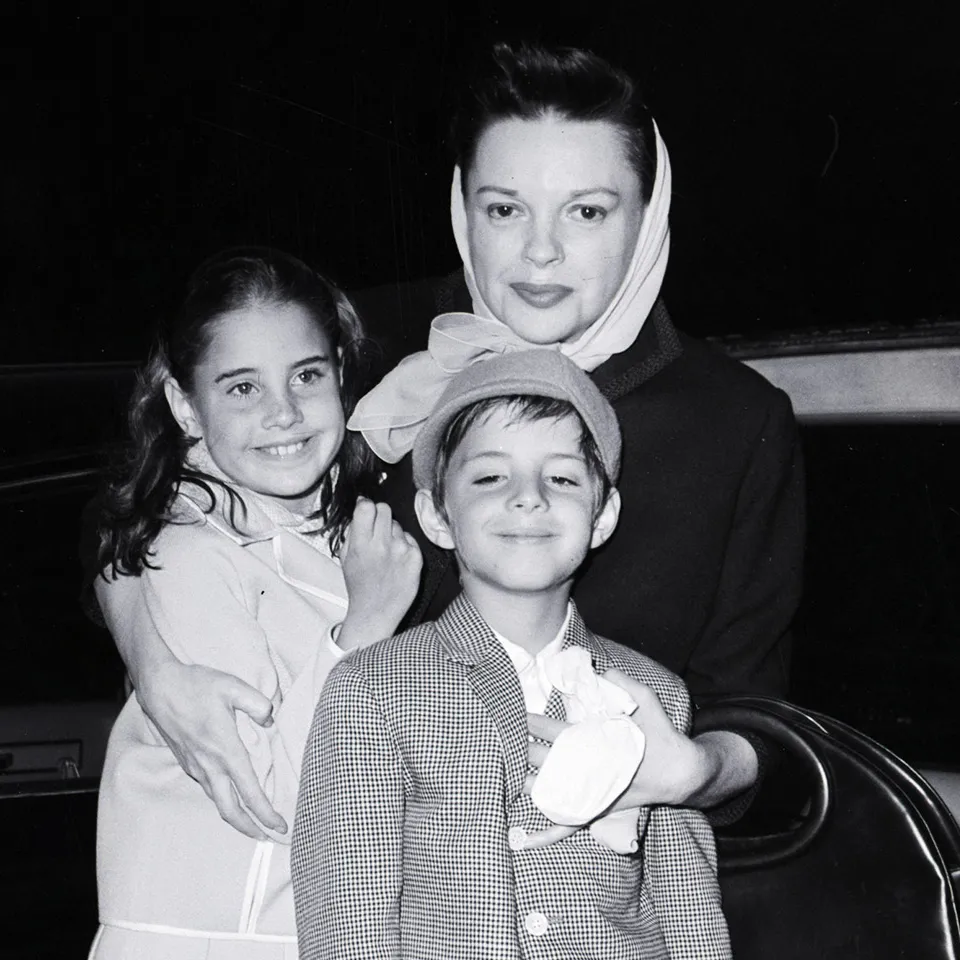
Judy Garland shares a heartfelt moment with two of her children in this classic black-and-white photograph.
Real Estate: Judy Garland's Hollywood Homes
Judy Garland’s residences in Los Angeles served as reflections of both her high-profile celebrity status and the complexities of her private life. Her real estate choices often mirrored significant periods in her career and personal journey.
Bel Air Estate – 1231 Stone Canyon Road
In 1938, at the age of 16, Garland commissioned renowned architect Wallace Neff to design her custom-built home in the prestigious Bel Air neighborhood. This sprawling 5,513-square-foot, two-story residence showcased traditional East Coast-style architecture, featuring five bedrooms, five-and-a-half bathrooms, and original design elements such as a wrought-iron banister and dark-stained hardwood floors, as documented by Architectural Digest. Situated on 2.6 acres, the estate boasted a terraced garden and a kidney-shaped swimming pool. Notably, the property later hosted other music luminaries like Quincy Jones and Marvin Gaye. The home was listed for $11.49 million in March 2024, underscoring the enduring value of properties with such iconic provenance.
Malibu Beach House
During the 1940s and '50s, Garland and her second husband, director Vincente Minnelli, owned a charming Cape Cod-style beach house nestled in Malibu's exclusive Las Tunas Beach area, as reported by The LA Times. This three-bedroom residence served as a private retreat from the intense public eye. The property was sold off-market for $3.545 million in July 2018, further illustrating the long-term appreciation of her former residences. These properties collectively highlight Garland's deep connection to Hollywood's elite enclaves and her personal need for serene escapes amidst a demanding public life, though they did not contribute to her liquid net worth at the time of her death.
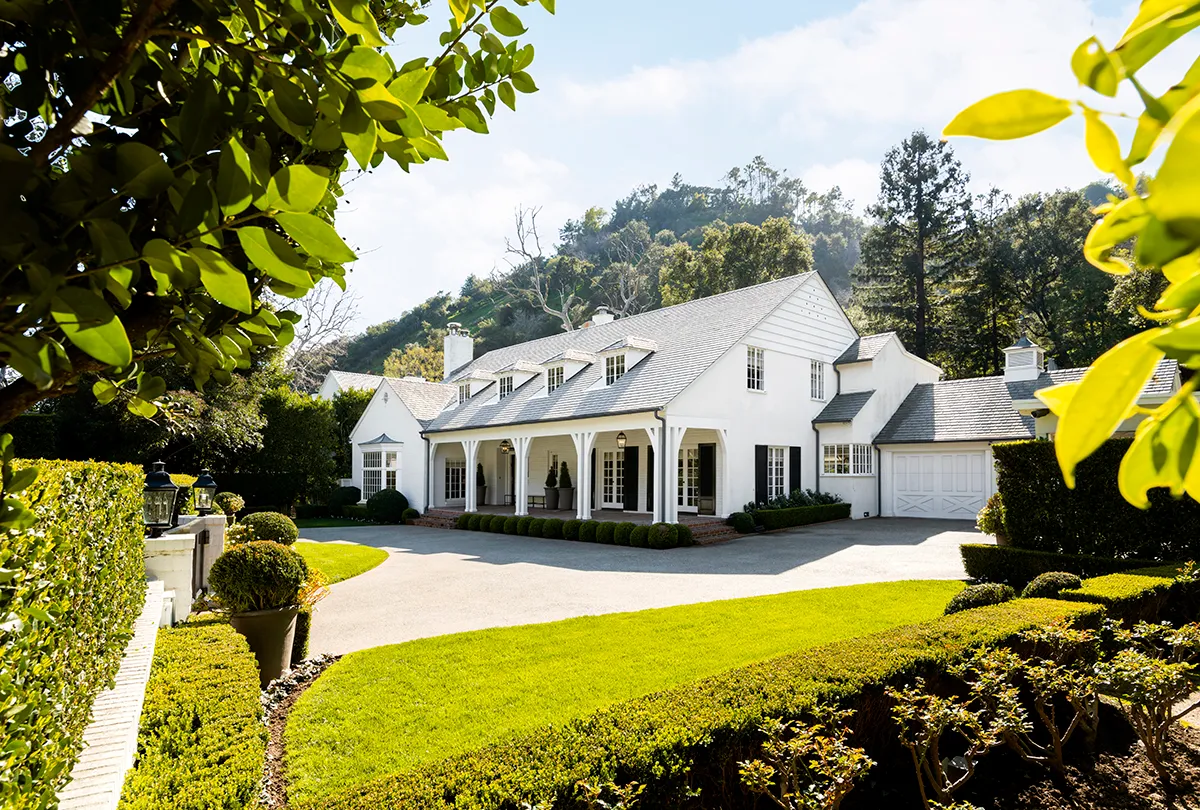
The exterior of Judy Garland’s former Bel Air residence, reflecting the elegance of her Hollywood lifestyle.
Personal Life - The Woman Behind The Scenes
Marriages
Judy Garland’s personal life was as dramatic and celebrated as her professional career, marked by five marriages and a series of complex relationships that often played out in the public eye.
- David Rose (1941–1944): Garland's first marriage was to composer and arranger David Rose. At 19, she went against her mother's wishes and MGM studio head Louis B. Mayer’s objections to marry Rose, a 31-year-old musician. Their initial bliss quickly gave way to challenges stemming from mismatched personalities, Garland's emotional unpreparedness for domestic life, and differing interests. The couple divorced amid growing estrangement and Rose’s opposition to Garland's pregnancy.
- Vincente Minnelli (1945–1951): Her second marriage was to director Vincente Minnelli, with whom she had her renowned daughter, Liza Minnelli. Their union concluded in 1951, largely influenced by Garland's intensifying struggles with substance abuse and mental health.
- Sidney Luft (1952–1965): Garland’s third and longest marriage was to producer Sidney Luft, lasting from 1952 to 1965. This marriage brought her two more children, Lorna and Joey. Luft also played a crucial role in revitalizing Garland's career through a series of successful concert performances.
- Mark Herron (1965–1969): Her fourth marriage to actor Mark Herron in 1965 was brief and tumultuous, ending in divorce in 1969 amidst allegations of abuse.
- Mickey Deans (1969): Garland's fifth and final marriage was to musician Mickey Deans in March 1969, in London. Deans attempted to stabilize Garland's finances, but their union was tragically cut short when Garland died from an accidental overdose in June 1969.
Children
Garland was a mother to three children, all of whom inherited aspects of her artistic legacy:
- Liza Minnelli: Born in 1946 from her marriage to Vincente Minnelli. Liza followed in her mother’s footsteps to become an acclaimed actress and singer, celebrated for her roles in films such as Cabaret and New York, New York.
- Lorna Luft: Born in 1952 to Garland and Sidney Luft. Lorna also pursued a career in acting and singing, appearing in films like Grease 2 and My Giant. She gained further recognition for her memoir, Me and My Shadows, which was adapted into a successful television miniseries.
- Joey Luft: Born in 1955, also to Garland and Sidney Luft. Joey has maintained a relatively lower public profile compared to his sisters but has occasionally participated in public events and interviews related to his mother’s legacy.
Hobbies and Interests
Beyond the stage and screen, Judy Garland's personal interests provided glimpses into the woman behind the legend:
- Music and Performance: Her profound love for music was the cornerstone of her existence, manifesting not just in her professional life but as a deep personal passion. She was renowned for her powerful voice and the emotional depth she brought to every performance.
- Family: Despite the tumultuous nature of her personal life and career, Garland was deeply devoted to her children, frequently articulating the positive and grounding influence they had on her.
- Friendships: Garland maintained close friendships with several influential figures in the entertainment industry, notably Bing Crosby, who offered her significant support during various challenging periods.
Garland's personal life was a testament to both extraordinary triumphs and immense challenges, reflecting the inherent complexities of navigating stardom during the golden age of Hollywood.
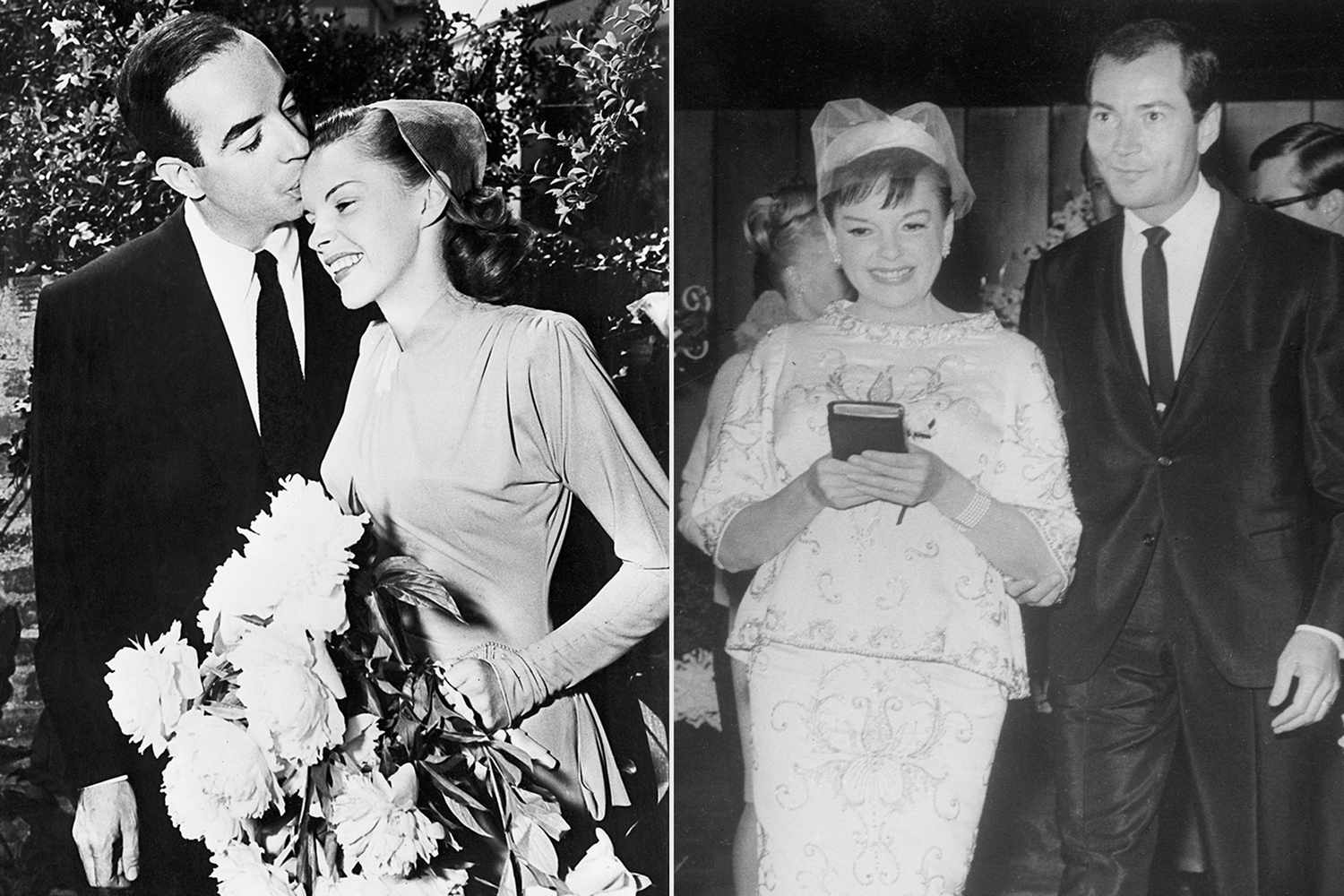
A 50/50 glimpse at two of Judy Garland’s weddings, symbolizing the many chapters of her personal life.
Latest News: Judy Garland’s Enduring Legacy
Judy Garland Memorabilia Auction: Online-Only Event
The enduring fascination with Judy Garland's life and career continues to fuel significant interest in her memorabilia. Julien’s Auctions is currently hosting an exclusive online-only auction dedicated to Judy Garland, featuring over 50 rare lots. This event offers fans and collectors a unique opportunity to acquire pieces of Hollywood history, including signed photographs, original costumes, and personal artifacts. The auction is scheduled to conclude on Sunday, November 26, 2025.
Judy Garland Memorabilia Auction: London Spring 2025
Further underscoring her lasting impact, Prop Store's London Spring 2025 auction prominently featured costumes from the critically acclaimed 2019 film Judy, which portrayed Garland's later life. Among the items sold were performance costumes and wedding attire worn by Renée Zellweger in her Oscar-winning role, with prices ranging from £630 to £2,835. These ongoing auctions vividly highlight the sustained interest in Garland’s legacy and the continued global appreciation for her monumental contributions to film and music.
These events collectively reaffirm the powerful and lasting impact of Judy Garland's legacy, demonstrating how collectors and fans worldwide continue to celebrate her unparalleled contributions to the entertainment industry, transcending generations.
Judy Garland FAQ's: People Also Ask
What caused Judy Garland’s financial struggles?
Judy Garland’s significant financial difficulties primarily stemmed from a combination of factors: restrictive and often predatory studio contracts in the 1930s and 1940s that granted her only a fraction of her films' profits; persistent overspending; the high costs associated with her chronic medical treatments and struggles with addiction; and substantial tax liabilities. Additionally, allegations of mismanagement and embezzlement by various agents and managers further drained her wealth throughout her career.
Did Judy Garland receive royalties for her music and films?
Yes, Judy Garland did earn royalties from her recordings and film performances, including her iconic role in The Wizard of Oz. However, these amounts were often modest, particularly in the context of her immense cultural influence and the gross earnings her projects generated during her lifetime. While royalties and streaming revenue have continued to provide some income posthumously, her estate also faced ongoing legal and management challenges that impacted the net value of these earnings.
Who inherited Judy Garland’s estate?
Judy Garland’s estate was primarily inherited by her three children: Liza Minnelli, Lorna Luft, and Joey Luft. Liza Minnelli, the most publicly prominent of the heirs, has played a significant role in maintaining and managing various aspects of her mother’s estate, including licensing agreements for her music, image, and memorabilia. Through careful management and periodic memorabilia auctions, the estate’s value has appreciated modestly over time, ensuring her children benefit from her enduring legacy.
Are there any memorials or tributes to Judy Garland?
Yes, Judy Garland is widely commemorated with several prominent tributes around the world. These include the Judy Garland Theatre in London, a star on the prestigious Hollywood Walk of Fame, and annual fan conventions that celebrate her life and work. Her legacy is continually honored and preserved through ongoing auctions of her personal memorabilia, re-releases of her iconic films and music, and various media tributes, all of which underscore her iconic status in entertainment history and ensure new generations discover her genius.
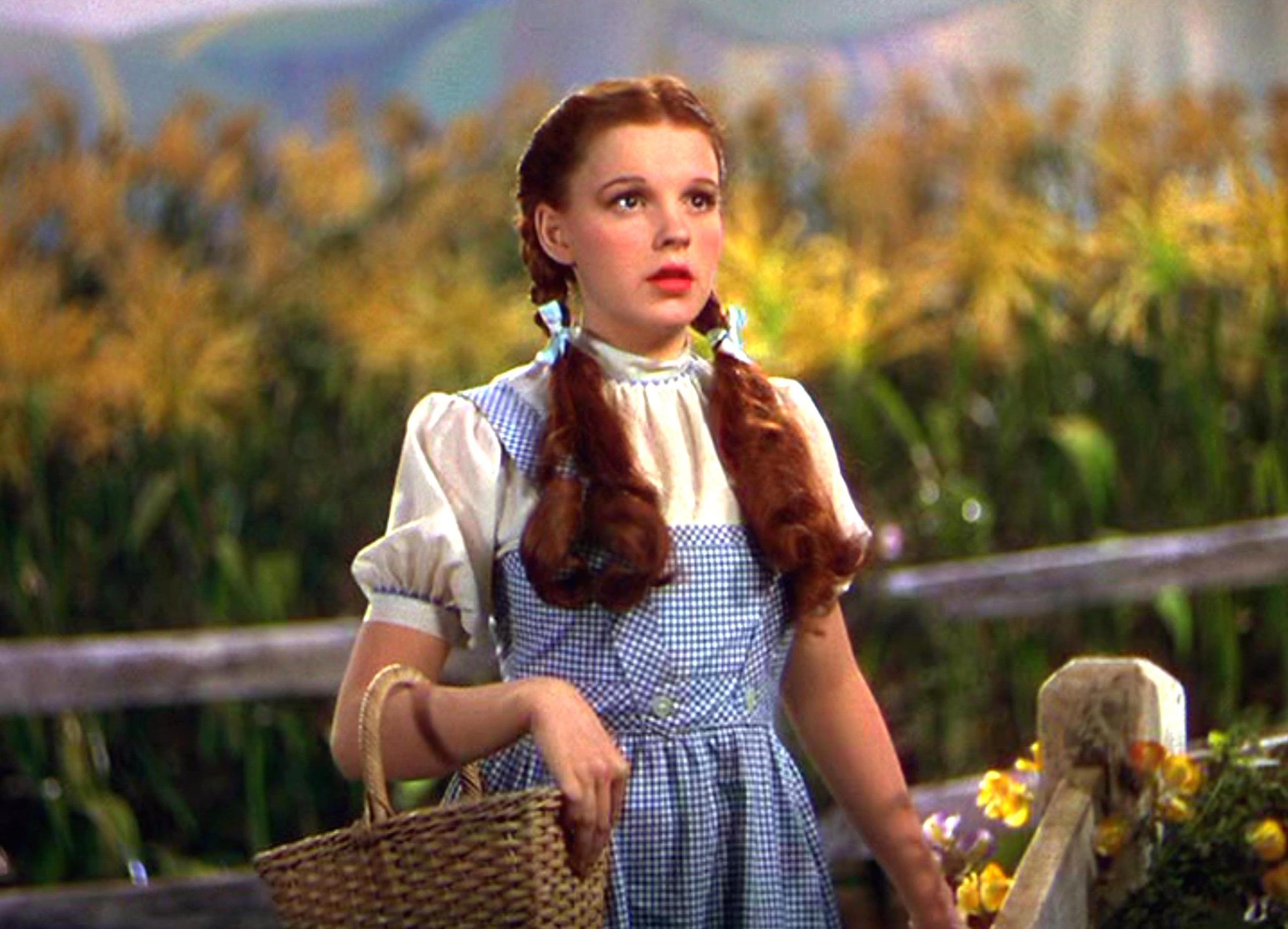
Judy Garland immortalized as Dorothy, holding her basket in her most famous and beloved role.
Final Thoughts: Judy Garland’s Enduring Legacy and Financial Story
Judy Garland’s life narrative is a rich tapestry woven with extraordinary talent, soaring professional highs, and profound personal struggles. While it is widely reported that she passed away with a modest liquid net worth of $40,000, her indelible influence on film, music, and popular culture remains utterly immeasurable. From her iconic and beloved role as Dorothy in The Wizard of Oz to her dynamic, electrifying stage performances alongside Hollywood titans like Mickey Rooney and Gene Kelly, Garland’s illustrious career showcased a versatility, charisma, and emotional depth that very few performers could ever hope to match.
Her complex financial story stands as a poignant, cautionary tale, illuminating the systemic challenges and often exploitative conditions many performers endured under the antiquated studio system. These professional hardships were tragically compounded by personal struggles, which further exacerbated her economic difficulties throughout her adult life. Nevertheless, even in death, Garland’s unparalleled legacy continues to generate significant interest and income through ongoing royalties, highly valued memorabilia, and countless tributes. This ensures that her monumental contributions to the entertainment world not only endure but are continually discovered and cherished by new generations of fans and artists alike.
Ultimately, Judy Garland’s remarkable journey serves as a powerful reminder that true wealth and lasting impact are not always reflected in bank accounts or financial statements. Instead, they are profoundly measured by the boundless joy, profound inspiration, and indelible cultural footprint an artist leaves behind. Her star, a beacon of unparalleled talent, continues to shine brightly, decades after her final, iconic curtain call.


