
Shay Mitchell's rini: Kids' Skincare Market Innovation
%20in%20a%20bright%2C%20modern%2C%20and%20clean%20setting%2C%20emphasizing%20fun%2C%20safety%2C%20and%20natural%20ingredients.%20The%20overall%20mood%20is%20joyful%2C%20innovative%2C%20and%20family-centric%2C%20highlighting%20the%20blend%20of%20K-beauty%20inspiration%20with%20child%20wellness.?width=768&height=768&seed=481269&nologo=true)
Key Points
- Shay Mitchell launched rini, a K-beauty-inspired kids' skincare line for ages two to teens, sparking a significant parenting debate.
- The brand aims to provide gentle, safe alternatives following the 2024 "Sephora kids" frenzy, with formulations developed by pediatric chemists and tested to EU Cosmetic Regulations.
- The global beauty industry for children reached $4.7 billion in 2025, projected to grow at a 6.5% CAGR, driven by millennial and Gen Z parents seeking natural and thoughtful products.
- rini's product line, featuring natural ingredients like aloe vera and vitamin B12 in sheet masks, emphasizes playful design and safety through rigorous dermatologist-tested protocols.
- Despite criticisms regarding commercialization of childhood, rini's approach champions early child self-care through engaging, safe routines, addressing a genuine market gap for age-appropriate products.
The Emergence of rini: Reshaping the Kids' Skincare Landscape
The beauty and wellness sector experienced a notable shift on November 6, 2025, with the introduction of rini, a K-beauty-inspired kids' skincare line by actress and entrepreneur Shay Mitchell. Designed for children aged two through their teenage years, rini aims to transform daily routines into engaging, playful experiences. This venture by the Pretty Little Liars alum, a mother of two, has not only captured significant market attention but also ignited a fervent parenting debate across social media platforms. The central question revolves around whether this innovative approach represents a much-needed evolution in child self-care or an undue commercialization of childhood. Mitchell's initiative directly addresses a growing market demand for gentle, child-specific products, especially in light of recent concerns about young individuals using potent adult formulations.
The Genesis and Philosophy Behind rini
Shay Mitchell's foray into the children's beauty market was not impulsive. Recognizing a significant gap, she collaborated with fellow parents Esther Song and Matte Babel. This core team then partnered with pediatric chemists and leading South Korean laboratories, drawing inspiration from the renowned K-beauty philosophy which emphasizes gentle yet effective formulations. The brand's foundational ethos is rooted in creating products that are not only effective but also align with the developmental stage of children, fostering positive self-care habits without introducing unnecessary complexities or pressures associated with adult beauty regimens.
Scientific Rigor and Product Integrity in Kids' Skincare
A cornerstone of rini's market strategy is its unwavering commitment to scientific validation and safety. Each formula undergoes stringent US dermatologist testing and adheres strictly to the EU Cosmetic Regulation 1223/2009, which prohibits over 1,700 potentially harmful ingredients. This meticulous approach distinguishes rini from many nascent celebrity-backed ventures, positioning it as a credible player in the evolving beauty industry focused on children's well-being.
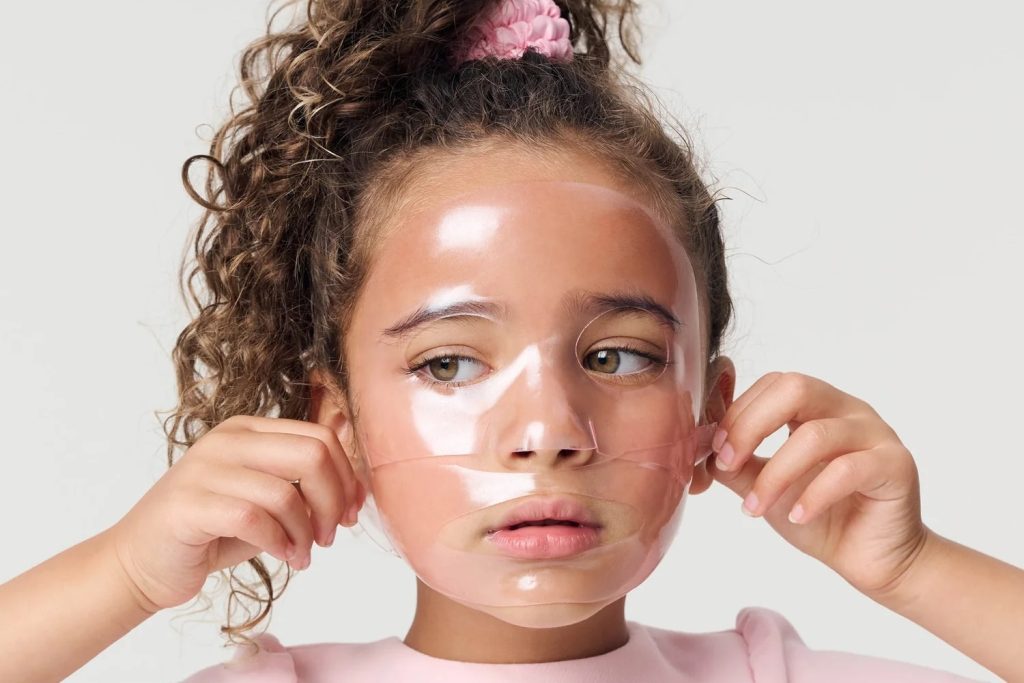
Consider the After-Sun Hydrogel Mask, an exemplary product boasting 94.8% natural origin ingredients. Formulated to soothe sunburns, chafing, and environmental stressors, it leverages a high concentration of aloe vera for its calming properties. Similarly, the Hydrating Hydrogel Mask, with 95.6% natural components, incorporates vitamin B12 to nourish sensitive skin without causing irritation. The Everyday Sheet Masks, crafted from 100% cotton and featuring 93.5% natural extracts such as white tremella mushroom, beta-glucan, and vitamin E, are designed for deep hydration and skin recovery. These South Korea-manufactured products are affordably priced ($5.99 to $6.99) and undergo rigorous tear-free trials, epiocular tests, and moisture checks, ensuring optimal safety and efficacy for delicate skin. This dedication underscores Mitchell's intent to offer truly safe, dermatologist-tested alternatives for parents seeking responsible child self-care options.
Unpacking the Kids' Skincare Market Dynamics and Financial Insights
Beyond its appealing packaging and heartfelt narrative, rini's launch strategically taps into a robust and expanding segment: the children's skincare market. Analysis indicates that this market achieved a valuation of $4.7 billion in 2025 and is projected to experience a steady Compound Annual Growth Rate (CAGR) of 6.5% through 2030. This substantial growth is primarily fueled by millennial and Gen Z parents, a demographic highly influenced by K-beauty trends and an increasing demand for thoughtful, natural, and transparent products for their offspring. This demographic often prioritizes investment in products that promise long-term family wellness, even amidst economic fluctuations, driven by an inherent desire to protect their children's delicate skin.
Consumer Insights and Strategic Purchasing
The financial implications for families navigating this burgeoning market are significant. Parents, on average, allocate approximately 20% more on kid-specific beauty items compared to generic lotions, seeking the reassurance of "clean" labels and specialized formulations. However, the true economic impact often lies in discerning genuine value from fleeting trends. The rise of celebrity-backed brands like rini signals a shift towards hybrid play-skincare models that combine educational elements with enjoyable routines. This approach can potentially yield long-term savings by establishing early routines that mitigate the need for more expensive interventions, such as dermatologist visits for skin issues arising from inappropriate product use.
For consumers, strategic purchasing in this market is paramount. It is advisable to prioritize brands that explicitly demonstrate full EU compliance and third-party testing certifications. Furthermore, seeking bundle deals priced under $20 that include versatile multi-use masks for hydration and sun care can maximize value across different seasons. By focusing on products that offer both utility and serve as engaging sensory toys, parents can foster consistent skincare habits in children without resorting to constant persuasion. This approach not only safeguards household budgets against the approximate 7% annual price increases in natural ingredients but also empowers families to differentiate true innovators from mere trend-followers, ensuring that each purchase contributes genuinely to family well-being rather than succumbing to ephemeral fads.

The Societal Dialogue: Skincare for Children – Necessity or Overkill?
The online response to rini’s launch was immediate and polarized. Shay Mitchell's Instagram reveal, featuring children playfully engaging with panda and unicorn masks, garnered millions of views and an outpouring of support from parents grateful for tools to simplify routines. Conversely, a substantial wave of criticism emerged, reminiscent of the 2024 "Sephora kids" controversy, with many arguing that children's skincare should be limited solely to broad-spectrum sun protection. Critics voiced concerns about introducing premature beauty rituals, fearing that even gentle products could inadvertently foster an early obsession with appearance in a society already saturated with idealized images. This discourse highlights a deeper societal unease regarding the commercialization of childhood and the perceived pressure on young individuals to conform to aesthetic standards. The debate on platforms like X (formerly Twitter) continues to dissect whether rini's playful design redeems its purpose or merely masks a broader trend towards consumerism impacting the very young.
Innovating with Play: rini's Unique Approach to Engagement
What distinguishes rini within this contentious environment is its deliberate integration of whimsy with mindful skincare. Mitchell emphasizes that the brand’s essence is not about mini-facials but about cultivating joy through animal-themed sheet masks—puppy, unicorn, panda—that transform mask application into a story time or imaginative play session. Co-founder Esther Song articulates this vision, explaining how these designs are inspired by the dynamic nature of family life, aiming to make hydration a bonding ritual. This playful approach encourages children to take ownership of their skincare, fostering a sense of curiosity and self-care without pressure.
Looking forward, rini plans a strategic expansion by summer 2026, aiming to develop a broader child-centric ecosystem. This includes integrating toys that facilitate texture and scent exploration alongside essential barrier-boosting balms. This evolution is poised to reinforce the brand’s foundation in imaginative play, offering parents accessible, guilt-free routines that encourage lasting curiosity. In a market often dominated by sterile, functional products, rini’s vibrant and engaging ethos resonates as a refreshing alternative, underscoring the belief that nurturing young individuals thrives when infused with laughter and lightness.

Concluding Thoughts: Redefining Childhood Wellness
Shay Mitchell's rini stands at the confluence of innovative K-beauty principles and the nuanced landscape of childhood development, simultaneously exciting and provoking contemplation. The robust societal discussion surrounding its launch underscores a fundamental tension, yet the brand's commitment to scientifically-backed gentleness and a fun-first methodology carves out a distinct niche for parents seeking verified, age-appropriate alternatives. As dialogues continue to unfold across social media, one truth remains unequivocal: rini has undeniably propelled children's skincare into mainstream discourse, challenging contemporary definitions of necessity through the dual lenses of safety and engagement. Whether it ultimately solidifies its position as a household staple or serves as a cautionary tale, this launch encapsulates the dynamic and often passionate energy of modern parenting, reaffirming Mitchell's aptitude for transforming personal challenges into impactful, market-relevant solutions.
Frequently Asked Questions About rini and Kids' Skincare
What is Shay Mitchell's Net Worth in 2025?
As of 2025, Shay Mitchell's estimated net worth is approximately $6 million. This figure is primarily attributed to her enduring legacy from Pretty Little Liars, various lucrative endorsement deals, and shrewd business ventures such as her Béis luggage empire. Her latest endeavor with rini further diversifies her entrepreneurial portfolio, integrating her acting career with practical parenting insights to create marketable products that resonate with contemporary families.
Is Children's Skincare Truly Necessary in 2025?
The necessity of children's skincare in 2025 is increasingly recognized, particularly for products that prioritize barrier support over aesthetic enhancements. Given a 15% rise in urban pollution since 2020 and an increase in screen-time-related allergies in young children, gentle hydration and protection are crucial for maintaining delicate skin health. Pediatric dermatologists now advocate for fragrance-free, basic skincare for children aged two and above, especially in the wake of the "Sephora kids" incidents that highlighted the risks of adult formulations. Parents who adopt play-infused, age-appropriate options frequently report fewer skin irritations and more harmonious daily routines, transforming skincare from a chore into a cherished ritual that fosters lifelong healthy habits.
How Has the Backlash to rini Evolved Since Launch?
Since its debut on November 6, the online reaction to rini has transitioned from initial shock to more nuanced critiques. Early discussions on platforms like X (formerly Twitter) largely centered on the perceived age-inappropriateness of products for very young children and concerns about over-commercialization. However, the discourse has gradually broadened to acknowledge positive aspects, such as rini's tear-free formulas and its positioning within a rapidly expanding $4.7 billion market. Mitchell’s team has proactively engaged with concerns through transparent Instagram Live sessions, which has helped to mitigate some criticisms and garnered support from environmentally conscious parents advocating for sustainable children's skincare innovations.


