
Trump's $100K H-1B Fee: Lawsuit & Economic Impact on Tech

The Trump administration is currently embroiled in a significant legal challenge, a development poised to exert considerable financial and political pressure while sending ripples through the U.S. technology sector. On October 17, 2025, the U.S. Chamber of Commerce formally initiated a lawsuit against the administration concerning a newly imposed $100,000 fee on H-1B visas. This legal action has triggered widespread alarm across Washington and Wall Street, signaling potential disruptions to corporate strategies and government budgets alike.
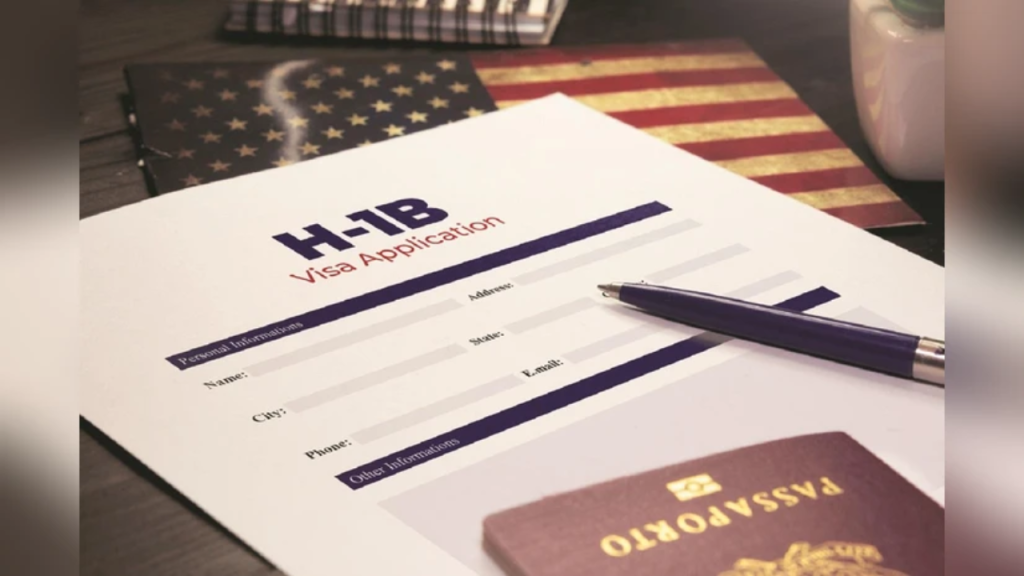
Reports indicate that the core allegation of the lawsuit is the unlawfulness of the six-figure visa cost, asserting that it creates a prohibitive barrier for American businesses seeking to employ skilled foreign workers. While the immediate target of the lawsuit is the administration under the sitting president, Donald Trump, its potential ramifications extend broadly, affecting federal financial planning, corporate hiring practices, and the administration's overarching economic credibility.
The $100K H-1B Visa Fee: Policy and Controversy
The executive order introducing the $100,000 H-1B visa fee was implemented last month, with the stated aim of mitigating perceived abuses within the H-1B program. This policy represents a dramatic departure from previous regulations, under which most H-1B petitions typically incurred employer costs of less than $3,600. Critics contend that this new, substantially higher charge could disproportionately inflate labor expenses for a wide spectrum of enterprises, including burgeoning startups, established tech giants, and small-to-medium businesses that frequently depend on international talent to fill specialized roles.
Neil Bradley, the Chief Policy Officer at the U.S. Chamber of Commerce, articulated the organization's stance, emphasizing that the fee "will make it cost-prohibitive" for companies, especially those with more constrained budgets, to continue participating in the H-1B program. The Chamber asserts that such a significant financial burden could compel American businesses to either substantially increase salaries, curtail hiring initiatives, or, in some cases, reorient their operational strategies away from engaging foreign talent.
Conversely, the White House maintains that the fee constitutes a "necessary, incremental step" designed to encourage companies to prioritize the employment of American citizens. Commerce Secretary Howard Lutnick reinforced this perspective, stating that the policy intends to ensure that foreign workers are either demonstrably "very valuable to the company and America" or, failing that, will depart, prompting companies to "hire an American." This philosophical divide forms the crux of the current legal and economic debate.
Financial and Political Exposure for the Administration
While President Trump, in his official capacity, is shielded from personal liability for executive actions, the administration itself faces both direct and indirect financial repercussions stemming from this lawsuit and its associated policy.
Legal Costs
- Federal legal teams tasked with defending the administration will incur considerable expenses. These costs, potentially reaching hundreds of thousands of dollars, will ultimately be funded through taxpayer money.
- Complex litigation of this nature necessitates extensive legal research, the engagement of expert witnesses, and meticulous administrative preparation, all contributing to substantial financial outlays.
Economic Ramifications
- Businesses across the U.S., particularly those reliant on skilled international workers in sectors like technology, may experience decelerated growth or the delay of critical projects. Such outcomes could negatively impact company revenues and broader employment figures.
- Investor sentiment may shift, leading to adjustments in market expectations if tech companies signal reduced hiring or postponed expansion plans. This could subtly yet significantly affect stock valuations and overall market stability.
Policy Rollout and Administrative Costs
- Should the lawsuit lead to delays or adverse court rulings, the administration might be compelled to revise the fee structure or modify immigration enforcement protocols. These adjustments entail their own operational costs and significant administrative overhead, further burdening government budgets.
Tech Industry's Reaction and Concerns
The technology industry has voiced profound apprehension regarding the repercussions of the $100,000 H-1B visa fee. Prominent industry figures, including Elon Musk, Satya Nadella, and Sundar Pichai, have consistently underscored the vital role that H-1B visas play in attracting elite global talent—a factor deemed essential for sustaining U.S. innovation and global competitiveness. A sudden and substantial increase in visa costs could inadvertently encourage companies to primarily rely on domestic labor, potentially slowing the pace of innovation and introducing distortions into the tech sector's wage structures.
The impact is particularly acute for startups and smaller enterprises. Many of these firms lack the financial reserves to absorb an additional $100,000 per foreign worker, forcing difficult choices concerning hiring and operational expansion. Industry analysts caution that this scenario could paradoxically incentivize some businesses to offshore work, thereby undermining the administration's stated "America First" agenda while simultaneously creating unseen financial costs for American businesses.
Broader Implications for Policy and Credibility
The lawsuit initiated by the Chamber of Commerce vividly illustrates the delicate financial and political tightrope that the Trump administration must navigate. While the policy aims to assert greater control over skilled immigration, it has concurrently provoked litigation that could potentially restrict the administration's operational budget, impede economic programs, and strain relationships with key U.S. businesses. These business relationships are fundamental to the administration's policy credibility and broader public trust.
A court ruling against the administration could necessitate an adjustment to the visa fee, which would affect future revenue projections derived from the program and demand additional administrative resources for implementing these changes. Even in the event of delays due to considerations of presidential immunity, the political and reputational fallout could still carry indirect financial consequences, impacting both the administration's standing and the wider national economy.
Conclusion: The Multi-faceted Cost of Policy
The Trump administration's imposition of a $100,000 H-1B visa fee represents far more than a mere policy adjustment; it constitutes a potential financial and political tempest. The convergence of legal defense expenses, necessary operational adjustments, and significant economic pushback creates a complex, multi-layered cost structure. All of these dynamics are unfolding under the direct purview of the presidency. For a leader whose decisions are intimately linked to both political standing and economic perception, this ongoing lawsuit is as much a test of fiscal credibility as it is a legal challenge. The ultimate outcome will likely define a significant chapter in the intersection of immigration policy, economic strategy, and judicial oversight.


