
Peloton's AI Trainer & Price Hikes: A New Era for Connected Fitness
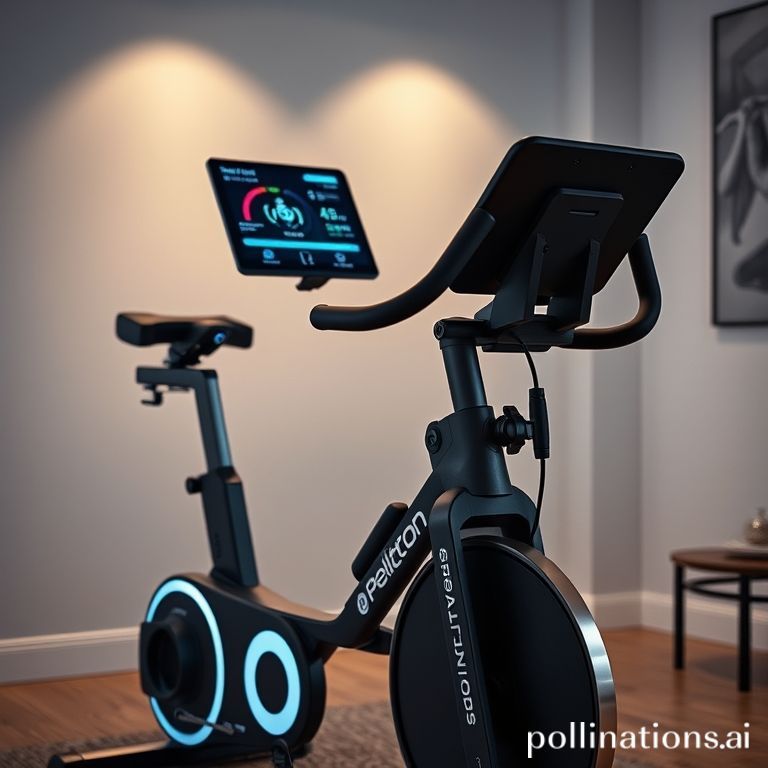
Peloton, a prominent figure in the connected fitness industry, recently unveiled a significant overhaul of its product ecosystem, integrating advanced artificial intelligence capabilities and recalibrating its pricing structure. This strategic repositioning signals a pivotal moment for the company, aiming to rejuvenate its market presence and cater to evolving consumer demands within the competitive health and wellness landscape.
Peloton IQ: Ushering in an AI-Powered Fitness Experience
At the core of Peloton's latest innovation is the introduction of "Peloton IQ," an AI-assisted feature designed to transform the home workout experience into a more personalized and interactive journey. This intelligent system acts as a virtual personal trainer, providing real-time feedback on a user's form and technique, thereby minimizing the risk of injury and maximizing workout efficacy. Furthermore, Peloton IQ offers tailored suggestions for workout plans, adapting to individual progress and preferences, which represents a substantial leap towards hyper-personalized fitness guidance.
The company's refreshed product lineup, detailed in a recent press release, comprises five distinct models. This includes a more accessible base model alongside enhanced "plus" iterations of its popular Bike and Treadmill, culminating in the debut of a sophisticated rowing machine. These new offerings, particularly the "plus" series, are engineered to seamlessly integrate the Peloton IQ functionality, establishing a new benchmark for smart fitness equipment.
The Cross-Training Series: A Holistic Approach to Wellness
Peloton's new Cross-Training Series underscores a broader vision to deliver comprehensive cardio and strength training solutions within a singular, integrated machine. This holistic approach aims to provide members with a versatile platform that addresses diverse fitness goals, moving beyond traditional cardio-centric offerings. CEO Peter Stern articulated the company's ambitious outlook, stating, "This is the start of a new chapter for Peloton. We’re doubling the value of our hardware with the Cross Training Series by delivering world-class cardio and strength in a single machine. With Peloton IQ, we’re introducing a new level of intelligent personalization to become the ultimate partner in our members’ wellness journeys. This is more than an upgrade; it’s a relaunch." This statement highlights Peloton's commitment to enhancing user value through innovation and intelligent design, aiming to solidify its position as a leader in digital fitness.
Strategic Price Adjustments Reflect Enhanced Value
Accompanying this significant product refresh are notable adjustments to Peloton's pricing model. The Peloton Bike, a flagship product, has seen its price increase to $1,695, marking a $150 rise. Similarly, the premium Bike+ is now priced at $2,695, an increase of $200. The treadmill category also reflects these adjustments, with the base model of the Tread increasing by $300 to $3,295, and the high-end Tread+ experiencing a substantial jump of $700 to $6,695. The recently introduced Row+ is priced at $3,495, an increase of $200 from its non-Plus predecessor.
Beyond hardware, Peloton has also revised its monthly membership fee, raising it from $44 to $49.99. These price adjustments, while potentially challenging for some consumers, are positioned by Peloton as a reflection of the enhanced value proposition offered by the new AI-powered features and expanded product capabilities. The company is banking on the intelligent personalization and advanced training features of Peloton IQ to justify these higher costs, appealing to a segment of the market willing to invest in cutting-edge fitness technology.
Navigating Market Dynamics and Analyst Expectations
The strategic decisions come at a critical juncture for Peloton, whose stock performance has witnessed a considerable decline since its peak during the COVID-19 pandemic, shedding approximately 90% of its value. This relaunch, therefore, is not merely about introducing new products but also about revitalizing investor confidence and re-establishing market momentum.
Industry analysts are closely monitoring these developments. Brian Nagel, a senior equity research analyst at Oppenheimer, expressed a favorable view on the new leadership's initiatives. He noted, "We look favorably upon efforts on the part of new senior leadership at Peloton to reinvigorate the brand and cater to a wider array of target consumers." While acknowledging that "risks remain" for the company, Nagel maintains an optimistic outlook, suggesting that "there exists a compelling lane within the health and fitness space for a better-run, better-capitalized Peloton to ultimately succeed." This perspective underscores the potential for Peloton to carve out a sustainable and profitable niche by adapting its strategy and leveraging innovative technologies like AI.
The introduction of an AI-powered platform and updated equipment had been anticipated, with reports surfacing in August regarding the company's preparations. Furthermore, during a prior earnings call, CEO Peter Stern had hinted at the strategic pivot, stating that Peloton would "employ advanced technologies like AI to enhance our ability to serve as personalized coaches." These anticipatory statements set the stage for the comprehensive relaunch, indicating a well-planned move towards a more technologically integrated and personalized fitness ecosystem.
In conclusion, Peloton's latest move to integrate AI into its core product offerings and adjust its pricing represents a bold step towards a future where connected fitness is defined by intelligent personalization and comprehensive wellness solutions. While the market reaction to the price hikes and the long-term impact on subscriber growth remain to be seen, this strategic overhaul demonstrates Peloton's commitment to innovation and its ambition to reclaim a dominant position in the evolving digital fitness landscape.


